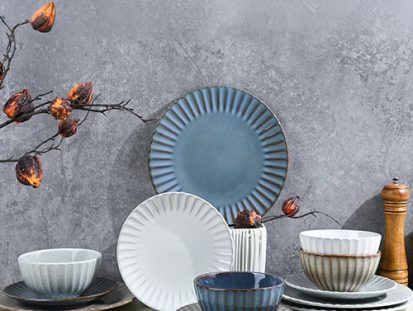
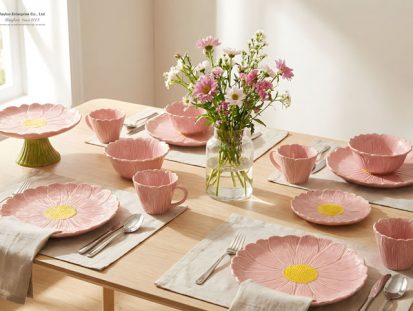
In the world of hospitality and retail, the foundation of every memorable dining experience or successful sale begins long before the first bite is taken or the product is chosen—it starts with the plate. Selecting the right wholesale dinnerware sets is a critical business decision that impacts everything from operational efficiency and cost control to brand perception and customer satisfaction. This complete guide is designed to navigate the essential considerations for restaurants, hotels, and retailers, offering expert insights into materials, durability, design trends, and sourcing strategies. Whether you are outfitting a new establishment or revitalizing your current inventory, understanding the nuances of wholesale dinnerware is key to building a cohesive, practical, and visually stunning tabletop that supports your business goals and delights your guests.
The wholesale dinnerware market is a complex ecosystem driven by the operational and aesthetic demands of the foodservice and hospitality industries. Success in procurement hinges on understanding its key segments, material innovations, and the critical balance between cost, durability, and design. This market is broadly defined by two primary purchasing channels: direct import from manufacturers and domestic wholesale distributors. Direct import often offers the lowest unit cost and maximum customization but requires significant volume commitments, logistical expertise, and quality control oversight. Domestic distributors provide faster lead times, smaller minimum orders, and local inventory, serving as a vital resource for operations needing reliability and flexibility.
Material choice fundamentally dictates performance and price point. The landscape extends far beyond traditional porcelain.
Market dynamics are increasingly influenced by supply chain resilience, with savvy buyers diversifying sources and considering total cost of ownership—factoring in longevity and replacement rates—over initial price alone. Design trends, such as organic shapes, matte glazes, and artisanal details, must be evaluated against timeless appeal to ensure inventory does not become prematurely dated.
For businesses seeking a strategic partner in this landscape, Raylon Enterprise Co., Ltd. stands as a manufacturer with over two decades of specialization in ceramic and porcelain dinnerware. Based in Taiwan, a global hub for high-quality ceramic production, Raylon combines advanced manufacturing capabilities with extensive OEM/ODM experience. The company serves an international clientele, from large hotel groups to boutique retailers, by providing rigorous quality control, consistent supply, and the ability to translate specific design and durability requirements into production. Partnering with a manufacturer like Raylon allows buyers to navigate the wholesale market with confidence, securing products that align precisely with their operational needs and brand identity.
When procuring wholesale dinnerware, the decision extends far beyond initial price per unit. Strategic bulk purchasing requires a meticulous evaluation of factors that impact total cost of ownership, operational efficiency, and brand integrity. A thorough assessment ensures your investment supports daily demands and long-term business objectives.
Material and Durability: The core choice is between materials like porcelain, bone china, stoneware, or tempered glass. Evaluate cycle limits for commercial dishwashers, chip and breakage resistance, and microwave safety. High-traffic establishments require vitrified or reinforced options that withstand constant use without compromising aesthetics.
Consistency and Supply Reliability: Bulk purchases are predicated on long-term consistency. Verify the supplier’s ability to provide identical items across multiple orders over years. Inquire about stock levels, production lead times, and protocols for discontinuing items. A reliable partner ensures you can replace broken pieces and expand your inventory seamlessly.
Minimum Order Quantities (MOQs) and Customization: Understand the supplier’s MOQ structure—whether by set, piece, or container load. Assess available customization options, such as logo embossing or bespoke shapes, and their associated costs and minimums. Balance the desire for a unique brand statement with the practicalities of storage and budget.
Logistics and Total Landed Cost: Calculate the total landed cost, which includes the product price, packaging, insurance, and freight. For international orders, factor in duties, tariffs, and customs clearance. Consolidating shipments and opting for FOB (Free On Board) terms can offer greater control and potential savings.
Supplier Expertise and Partnership: The ideal supplier acts as a strategic partner. Raylon Enterprise Co., Ltd. exemplifies this approach, offering extensive expertise in manufacturing and exporting high-quality ceramic and porcelain dinnerware. With a focus on rigorous quality control, flexible customization, and reliable global logistics, they provide tailored solutions for the exacting standards of the hospitality and retail sectors.
Practical Evaluation: Before committing to a full order, request physical samples to assess weight, finish, and stackability. Review the supplier’s quality assurance certifications and their policy for defective items. Finally, analyze the cost-per-use over the expected lifespan of the ware, not just the upfront price, to determine true value.
Selecting the right dinnerware is a critical operational decision, impacting durability, customer perception, and overall service efficiency. For businesses seeking a reliable wholesale partner, Raylon Enterprise Co., Ltd. offers extensive expertise in supplying high-volume, commercial-grade tableware solutions tailored to the rigorous demands of the hospitality and retail sectors.
The choice of material is foundational, dictated by service style, budget, and durability requirements.
Primary Materials:
Style must align with both the establishment's brand identity and functional practicality. Key considerations include:
Shape & Profile: Round plates remain universally versatile, while square or coupe shapes make a modern statement. Rim types are crucial; a wide, flat rim (coupe plate) is ideal for intricate saucing, whereas a rolled or raised rim contains food more effectively.
Color & Finish: White and neutral palettes provide timeless flexibility, allowing food to be the visual focus. Bold colors or patterned accents can define a brand's character. Gloss finishes convey sophistication, while matte or textured finishes offer a tactile, artisanal quality that can hide minor cutlery marks.
Weight & Balance: Heftier pieces feel more substantial and luxurious but increase server load. A well-balanced plate, regardless of weight, is essential for safe, comfortable handling by staff.
Ultimately, the optimal dinnerware set achieves a strategic balance between aesthetic appeal and relentless practicality, ensuring it enhances the dining experience while enduring the pace of commercial service.
Securing the right wholesale dinnerware supplier is a critical operational decision that impacts cost, service quality, and brand identity. A strategic approach ensures resilience, value, and consistency in your supply chain.
Developing a Sourcing Strategy
Begin by conducting a thorough internal audit. Precisely define your requirements for volume, material (e.g., porcelain, stoneware, bone china), design aesthetics, and durability standards. Your strategy should balance cost with total value, considering not just the unit price but also factors like minimum order quantities (MOQs), lead times, and payment terms. Diversifying your supplier base mitigates risk, but consolidating orders with a primary partner can leverage better pricing and service. Always prioritize suppliers who demonstrate a clear understanding of the commercial foodservice or retail environment, as their products will be engineered for the requisite performance.
Key Criteria for Supplier Evaluation
Selecting a partner requires moving beyond basic price comparisons. Assess their manufacturing capabilities, quality control certifications, and capacity for consistent bulk production. Evaluate their logistical proficiency, including packaging, shipping options, and reliability. A supplier’s responsiveness and communication are non-negotiable; they must act as a proactive partner, not just a vendor. The ability to offer customization—from logo engraving to unique shape development—adds significant value for brand differentiation. Finally, scrutinize their after-sales support for handling replacements, addressing defects, and managing reorders efficiently.
| Evaluation Factor | Key Considerations |
|---|---|
| Product & Quality | Material composition, breakage resistance, glaze safety, consistency across batches. |
| Operations | MOQs, production lead times, sample policy, packaging for safe transit. |
| Reliability | Industry tenure, client references, financial stability, communication clarity. |
| Value-Added Services | Custom design, private labeling, flexible logistics, inventory management support. |
Introducing Raylon Enterprise Co., Ltd.
For businesses seeking a partner that embodies these principles, Raylon Enterprise Co., Ltd. represents a compelling option. As a manufacturer and exporter with deep expertise in ceramic and porcelain dinnerware, Raylon provides a direct source for high-volume procurement. Their strength lies in controlling the production process, which allows for stringent quality control, competitive pricing, and reliable scalability. They offer a range of services from stock designs to OEM customization, catering to the specific branding needs of hotels, restaurant chains, and retailers. Engaging with a manufacturer like Raylon can streamline the supply chain, reducing intermediaries and fostering a transparent, long-term partnership built on consistent product delivery.
Procuring wholesale dinnerware is a significant capital investment. The true measure of success lies not merely in the initial cost per piece, but in the long-term value and return on investment (ROI) generated over the service life of the ware. A strategic approach to selection, procurement, and care transforms this purchase from an expense into a durable asset that enhances operational efficiency and brand perception.
For businesses seeking a partner in this endeavor, Raylon Enterprise Co., Ltd. stands as a specialist manufacturer with over two decades of expertise in producing high-quality ceramic and porcelain dinnerware for the global hospitality and retail markets. Their commitment lies in providing durable, consistent, and aesthetically versatile tableware solutions engineered for commercial performance.
Maximizing ROI begins with a total cost of ownership analysis. Consider these critical factors beyond the invoice price:
Implementing a rigorous handling and training protocol is non-negotiable. Even the most durable ware underperforms if mishandled. Establish clear procedures for storage, stacking, washing (avoiding abrasive chemicals), and transportation. This discipline minimizes preventable loss, directly protecting your investment.
Finally, view your dinnerware inventory as a dynamic asset. Conduct regular audits to track breakage patterns and identify specific items for reorder before shortages occur. A proactive maintenance strategy, supported by a reliable manufacturer capable of fulfilling small, urgent replacement orders, ensures your service remains seamless and your initial investment is fully realized.
The primary considerations are durability (measured by ASTM chip resistance standards), thermal shock resistance for high-heat environments, stackability for storage, and lead/cadmium compliance for food safety. Commercial-grade porcelain or high-fired stoneware typically outperforms residential-grade materials. Industry leaders like Steelite International and Churchill China engineer their products specifically for commercial dishwasher cycles (minimum 1,500 cycles) and high-impact dining.
The clay body formula—typically hard-paste porcelain, vitrified stoneware, or bone china—determines critical performance metrics. Fully vitrified bodies have water absorption rates below 0.5%, preventing odor retention and increasing strength. Alumina-reinforced bodies, used by brands like Pickard and Homer Laughlin, provide superior impact resistance. For high-volume establishments, a body with a high quartz content improves thermal shock resistance during plating.
The standard "5-piece place setting" consists of dinner plate, salad/dessert plate, soup/cereal bowl, teacup, and saucer. For wholesale procurement, operators should calculate "covers" based on seat turnover: a minimum of 3-4 full sets per seat is recommended for full-service restaurants. Banquet operations require separate calculations, often needing 2.5x the maximum event cover count to account for simultaneous washing cycles.
Yes, FDA Title 21 CFR Parts 109 and 189 governs "food-contact surfaces." Compliant dinnerware must pass leach testing for lead (below 3 ppm for smallware) and cadmium (below 0.5 ppm). California Proposition 65 requirements are often stricter. Reputable manufacturers provide independent lab certificates (often SGS or Intertek) confirming compliance. Importers should insist on these test reports, as surface glazes on some imported goods may contain non-compliant heavy metals.
Commercial glazes are engineered differently than residential ones. Look for "double-fired" or "single-fire high-temperature" glazes (fired at 1,200°C+) that fully integrate with the body. "Reactive glaze" finishes, while aesthetically popular, often wear faster. The most durable surfaces are "full-cover" glazes that extend underneath the foot ring, preventing micro-cracks. Brands like Dudson and Royal Doulton 1815 use proprietary glaze formulations that resist cutlery marking ("cutlery scratch") and chemical etching from dishwasher detergents.
The industry standard annual breakage rate is 15-25% for mid-range restaurants, but can reach 40% in high-turnover banquet halls. The formula is: (Annual Covers × Pieces per Cover × Breakage Rate) ÷ Turns per Piece. Always order 10-15% above calculated needs for pattern consistency, as dye lots vary between production runs. Smart operators maintain a "breakage bank" of 5-10% of total inventory and establish a reorder point at 30% of stock remaining.
Open-stock patterns (continuously produced for 5+ years) allow for incremental replenishment and are less costly. Contract-specific (custom) designs require larger minimum orders (typically 500+ place settings) but offer brand differentiation. The hidden advantage of open-stock is replacement availability during supply chain disruptions. For chains, "custom open-stock" programs with manufacturers like Hall China provide exclusive colors/patterns while maintaining the logistical benefits of standard shapes.
The "well depth" and "flange width" of plates directly impact food presentation and stability. Plates with a 10-15mm well depth contain sauces better, while wider flanges (25-30mm) facilitate safer carrying. The "rimless" or "coupe" style reduces breakage but can increase spillage. Research in hospitality ergonomics shows that plates with a 10-inch diameter but a 9-inch visual field (created by a raised center) are perceived as having 15% larger portions without increasing food cost.
Total Cost of Ownership (TCO) includes: replacement frequency (cycle life), energy/water consumption during washing (weight matters), storage space requirements, and labor for polishing/stacking. Lightweight but durable bodies reduce washing and handling costs. A $12 plate lasting 3 years has a lower TCO than a $8 plate replaced annually. Additionally, verify if pricing includes freight, customs duties (for imports), and whether the supplier offers a "first quality only" guarantee to reject seconds.
Beyond FDA compliance, look for ISO 9001:2015 (quality management), ISO 14001 (environmental management), and NSF/ANSI 51 (food equipment materials) certifications. For European suppliers, LFGB (Germany) and DGCCRF (France) certifications indicate rigorous testing. The "Made in UK" or "Made in USA" marks often correlate with higher consistency in firing and glaze application, though premium manufacturers in Turkey (like Porland) and Indonesia (like Sango) now match these standards.
Solid colors and simple rim patterns (like banding) hide chips and wear better than intricate center patterns or photographic decals. Light-colored bodies (white, ivory) show fewer scratches in the bisque when chipped compared to dark bodies. From a procurement standpoint, patterns using "underglaze" printing (color baked into the glaze layer) last 3-5 times longer than "overglaze" or decal applications. For operations using dish machines with chemical sanitizers, avoid metallic accents, which will oxidize and degrade.
Implement a "first in, first out" rotation system with quarterly inventories. Track breakage by piece type to identify handling or washing issues. Professional operations plan for a complete replacement cycle every 2-3 years for high-volume venues, staggering purchases to manage cash flow. Before complete replacement, order 20% of the new pattern to phase in gradually. Always retain samples and manufacturer contact details for each pattern purchased, as formulations change even within the same pattern name.