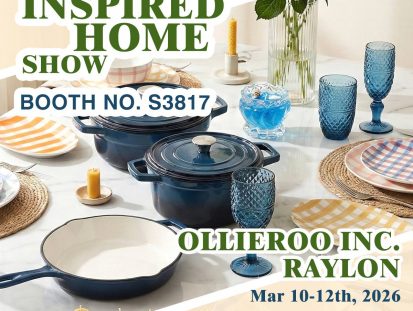
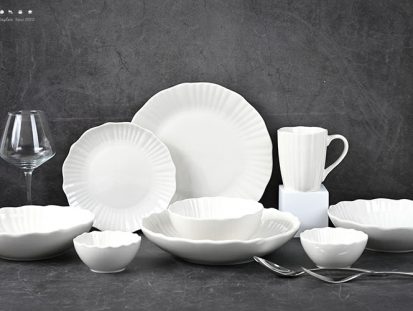
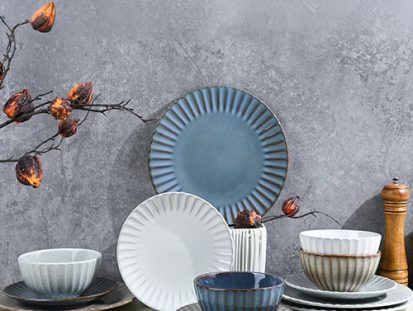
Imagine a table set not just for a meal, but for an experience. Custom ceramic dinnerware transcends mere utility, transforming every dining occasion into a curated event. It is where personal aesthetic meets masterful craft, allowing you to collaborate with skilled artisans to create pieces that are uniquely yours. From the subtle curve of a bowl to the bespoke glaze that captures a favorite hue, each element is an intentional design choice. This is about more than plates and mugs; it is about elevating the daily ritual of sharing food into a multisensory celebration. By investing in custom ceramics, you commission functional art that tells your story, fosters connection, and turns the ordinary act of dining into something truly extraordinary.
The creation of custom ceramic dinnerware is a profound synthesis of artistic vision and meticulous technical execution. It transforms raw earth into functional art, where every curve, glaze, and finish is a deliberate choice that contributes to the narrative of a dining experience. This process is not merely manufacturing; it is a dialogue between designer, artisan, and material.
At its core, the journey begins with design conception, where aesthetic intent meets practical utility. This blueprint then moves into the hands of skilled craftspeople. The selection of clay body—porcelain for its luminous whiteness and strength, or stoneware for its robustness and organic texture—sets the foundational character. The forming process, whether through precision jiggering on a wheel, the intimate pressure of slip-casting into molds, or the entirely hand-built touch, imprints each piece with a unique signature.
The true alchemy lies in glazing and firing. Glazes are engineered chemical compositions that mature at specific temperatures, producing an endless spectrum of colors, textures, and finishes—from glossy and impermeable to matte and tactile. The kiln firing, a controlled metamorphosis, is the final and most critical stage. Here, heat permanently transforms the clay and glaze, locking in both form and function. Variations in atmosphere, temperature curves, and cooling rates can produce dramatic and subtle effects, making each firing a calculated experiment.
For businesses seeking to translate brand identity into tangible tableware, partnering with an expert manufacturer is paramount. Raylon Enterprise Co., Ltd. exemplifies this partnership. As a specialist in custom ceramic manufacturing, Raylon provides end-to-end collaboration, guiding clients from initial design through material selection, prototyping, and final production. Their expertise ensures that the artistic integrity and functional requirements of custom dinnerware are realized with precision, consistency, and quality, enabling brands to offer truly distinctive products.
Mastering these elements results in dinnerware that transcends mere utility. It becomes an heirloom, a statement of brand philosophy, and an essential component of curated ambiance. The weight of a bowl in the hand, the visual depth of a glaze, and the durability for daily use are all direct results of this dedicated craftsmanship, elevating every meal into a considered occasion.
For hospitality leaders and culinary artists, custom ceramic dinnerware is a strategic medium for brand expression and guest engagement. It transforms a meal into a cohesive narrative. Raylon Enterprise Co., Ltd. specializes in guiding this precise journey from initial vision to tangible, functional art, partnering with clients to craft pieces that embody their unique identity.
The design process begins with a foundational concept. This is more than an aesthetic; it is a functional brief encompassing the intended user experience, brand story, and operational requirements. Key considerations include the service style (e.g., fine dining, casual boutique), desired weight and balance in the hand, and how the form complements the cuisine. A deep plate for saucing versus a shallow bowl for presentation are deliberate choices. At this stage, collaboration with an expert manufacturer like Raylon is critical to align creative ambition with ceramic science and production feasibility.
Material and technique selection follows, directly informed by the concept. The choice between refined porcelain for a luminous, delicate feel and durable stoneware for a robust, earthy character is fundamental. Surface treatment—whether a glossy glaze for vibrant color, a matte finish for tactile subtlety, or raw clay for organic texture—defines the piece's visual and sensory impact. Decoration methods, from underglaze printing for intricate, permanent patterns to hand-banding for artisanal variation, are chosen to execute the design language faithfully.
The transition from concept to creation is iterative. Raylon facilitates this through prototyping, producing initial samples that allow for evaluation of form, function, and finish in a real-world context. This phase is essential for refining ergonomics, confirming glaze food-safety and durability, and ensuring color accuracy. It is the crucial step where a two-dimensional design is pressure-tested, guaranteeing that the final production run delivers not only a beautiful object but a flawless dining instrument. The result is a bespoke collection that elevates every service into a distinctive brand statement.
Raylon Enterprise Co., Ltd. specializes in the precision engineering of custom ceramic dinnerware, where the foundational choices of material and glaze directly dictate the performance, longevity, and aesthetic character of the final collection. Selecting the appropriate ceramic body and surface finish is a critical technical decision that balances durability with design intent.
The primary material options are defined by their composition and firing temperature. Porcelain, a high-fire vitrified clay, is the premium standard for luxury dinnerware. Its non-porous, glass-like structure offers exceptional strength, chip resistance, and a brilliant white base that enhances glaze colors. Stoneware is a versatile, mid-to-high-fire material known for its robustness and slight natural porosity. It provides a warmer, often off-white or gray, tonal quality and is inherently more casual and earthy. Bone China represents the pinnacle of refinement, incorporating bone ash to achieve a unique translucency, whiteness, and remarkable strength despite its delicate appearance.
The glaze application is the functional and decorative sealant. For durability, Gloss Glazes create an impervious, glassy surface that is highly stain-resistant and easy to clean, making it ideal for high-use dinnerware. Matte Glazes offer a sophisticated, tactile finish but may require more specific care, as their slightly textured surface can be less resistant to stubborn stains. The most resilient option is a Satin or Semi-Matte Glaze, which merges a soft luster with excellent practical performance. For ultimate longevity, especially in commercial settings, Reinforced Rim Glazes add an extra layer of material at the most vulnerable contact points.
Advanced customization is achieved through specialized techniques. Underglaze decoration, where pigments are applied to the raw clay before glazing, allows for intricate, permanent patterns and illustrations that are protected beneath the glassy surface. Overglaze or Luster applications are fired at a lower temperature on top of the base glaze to produce metallic accents or iridescent effects, though these decorative layers are less durable for cutlery contact. The choice between a single-fire process (glaze applied to unfired greenware) and a dual-fire bisque process significantly impacts the clarity of detail and color saturation.
At Raylon Enterprise, material science and artistic application converge. A deep understanding of these options ensures that a custom dinnerware set is not only visually compelling but also engineered to withstand the rigors of daily use, turning each meal into a sustained experience of crafted elegance.
In the realm of hospitality and premium dining, the selection of tableware is a critical operational and branding decision. Custom ceramic dinnerware, as provided by specialists like Raylon Enterprise Co., Ltd., transcends mere utility to become a strategic asset. This manufacturer leverages advanced production techniques and artistic craftsmanship to deliver bespoke ceramic solutions that offer distinct practical advantages for diverse professional applications.
The primary benefit lies in brand differentiation and cohesive identity. Custom-designed plates, bowls, and serveware act as a silent ambassador. A unique glaze color, an embossed logo, or a tailored shape creates an immediate and memorable visual signature, reinforcing brand recognition with every course served. This is invaluable for boutique hotels, high-end restaurants, and luxury resorts seeking a curated atmosphere.
From a functional and operational standpoint, customization addresses specific service needs. Operations can specify exact dimensions for perfect plating proportions, choose weighted bases for superior stability, or select specialized clay bodies and glazes engineered for exceptional durability in high-volume dishwashing environments. This reduces breakage and ensures consistency over time, directly impacting the bottom line.
The versatility of application is extensive. Beyond à la carte restaurant service, custom ceramics are pivotal for:
Raylon Enterprise Co., Ltd. facilitates this by managing the process from initial concept through 3D modeling and prototyping to final production, ensuring the final product is not only aesthetically aligned but also technically sound for its intended use. The investment in custom ceramic dinnerware ultimately elevates the guest experience, enhances operational efficiency, and solidifies a brand's position in a competitive marketplace.
Proper care is essential to preserve the beauty and integrity of custom ceramic dinnerware, ensuring it remains a centerpiece of your dining experience for years to come. As a leader in bespoke ceramic manufacturing, Raylon Enterprise Co., Ltd. combines advanced production techniques with time-honored craftsmanship, creating pieces that are as durable as they are beautiful. Adhering to correct maintenance protocols protects your investment and honors the artistry involved.
Daily Handling and Cleaning
Always hand-wash custom ceramics with a mild detergent and a soft sponge. Avoid abrasive scouring pads or harsh chemicals, which can degrade glazes and decorative finishes. For pieces with metallic accents or intricate hand-painted details, extra gentleness is required. While many modern ceramics from manufacturers like Raylon are fired to high temperatures for strength, thermal shock remains a risk. Allow pieces to cool to room temperature before washing and avoid sudden temperature extremes, such as placing a hot dish into cold water.
Storage and Damage Prevention
Proper storage prevents chips and cracks. When stacking plates or bowls, use felt or silicone plate separators. For long-term storage, wrap pieces individually in soft cloth or acid-free tissue paper. Never store ceramics in areas with high humidity or direct sunlight, as these conditions can compromise glazes over time.
Addressing Stains and Minor Damage
For stubborn stains, create a paste of baking soda and water, apply gently, and rinse thoroughly. Persistent mineral deposits can often be removed with a diluted vinegar solution, but rinse immediately. Small chips or cracks should be assessed by a professional restorer, as improper repair can further damage the piece.
| Consideration | Recommended Practice | Notes |
|---|---|---|
| Dishwasher Use | Generally not advised. | Consult your manufacturer; high-temperature cycles and detergents can be damaging. |
| Microwave Use | Check for manufacturer approval. | Avoid pieces with metallic elements. |
| Oven Use | Only if explicitly labeled oven-safe. | Never place ceramic directly under a broiler or on a stovetop flame. |
Understanding the specific properties of your dinnerware, often provided by the craftsman or manufacturer, is the foundation of effective care. Raylon Enterprise Co., Ltd. provides detailed guidance for each custom collection, empowering you to maintain the functional and aesthetic qualities that elevate every meal.
The choice of clay body—whether earthenware, stoneware, or porcelain—is foundational. For durable, daily-use dinnerware that is microwave and dishwasher safe, a vitrified stoneware or porcelain is essential. These clays fire to a non-porous state, preventing moisture absorption and increasing chip resistance. The clay's maturation temperature must align with your chosen glaze system to ensure a stable, food-safe finish.
A glaze must be formulated to be fully food-safe and compliant with FDA or equivalent regulations for lead and cadmium release. For functional ware, glazes must fit the clay body's coefficient of expansion to prevent crazing (fine cracks), which can harbor bacteria. A well-formulated glaze results in a hard, non-porous surface that is resistant to cutlery scratching and repeated thermal shock.
Beyond simple decals, high-end customization employs techniques like underglaze painting, screen printing with ceramic inks, or laser decals. For intricate, durable designs, in-glaze or overglaze printing fired at specific temperatures integrates the decoration into the glaze layer. Hand-painting with underglazes allows for unique artist-driven work, but requires a clear overglaze for protection.
Reputable manufacturers subject prototypes to standardized tests, including thermal shock (moving from oven to ice water), dishwasher durability (over 100 cycles), microwave testing, and mechanical strength tests like modulus of rupture. Chipping resistance is often tested via edge impact tests. Requesting test data or certifications from a supplier is a mark of professional sourcing.
True oven-safety requires a fully vitrified clay body and a glaze that can withstand thermal shock. While many stoneware and porcelains are marketed as oven-safe, the critical limit is often the temperature differential (ΔT). Sudden changes greater than 150°C can cause failure. It is generally advised to avoid placing ceramic plates under a broiler or directly on a stovetop flame.
Lead times for custom dinnerware, from design to delivery, typically range from 12 to 20 weeks for a full production run. Minimum order quantities (MOQs) can vary from 100 to 500 pieces per design/style for slip-cast items, as it requires creating new molds. For hand-thrown or jiggered pieces, MOQs may be lower but costs significantly higher.
The firing atmosphere (oxidation or reduction) and peak temperature (Cone) critically determine color and strength. For example, iron in clay fires buff in oxidation but grey in reduction. Porcelain reaches its translucency and strength only at Cone 10 (≈1300°C). Consistent, controlled firing cycles in industrial kilns are necessary for color uniformity and to prevent warping or dunting (cracking during cooling).
Begin with detailed CAD drawings or 3D models for form. Create 3D-printed or hand-sculpted prototypes for ergonomic testing. Then, produce "white samples" (bisque-fired pieces) to assess shape and balance, followed by "glaze samples" with exact colors and finishes. This iterative process confirms functionality, aesthetic appeal, and manufacturability before committing to mold production.
Sustainable options include sourcing local clay to reduce transport emissions, utilizing high-efficiency kilns with heat recovery systems, and implementing closed-loop water systems for clay recycling. Glazes free from heavy metals and using recycled content in packaging are also key. Some studios offer a glaze take-back program to reprocess waste into new glaze materials.
Weight and balance are engineered for user experience. Plate weight is calculated based on diameter, clay density, and profile. A well-balanced plate has its center of gravity low and central, preventing tipping. This is achieved through foot ring design and consistent wall thickness, often verified through prototyping. Standard dinner plates typically range from 1.5 to 2.5 lbs (680-1130g).
Avoid extreme thermal shocks and abrasive cleaners. While dishwasher-safe, handwashing preserves decorative finishes longer. Store with felt protectors to prevent "clicker" chips. Over decades, slight craze lines may develop in some glazes; this is often aesthetic but can be monitored. For gold or platinum banding, use only mild detergents to prevent wear.